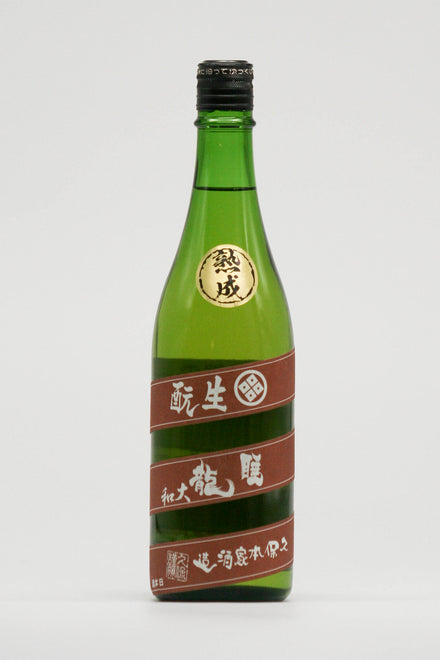


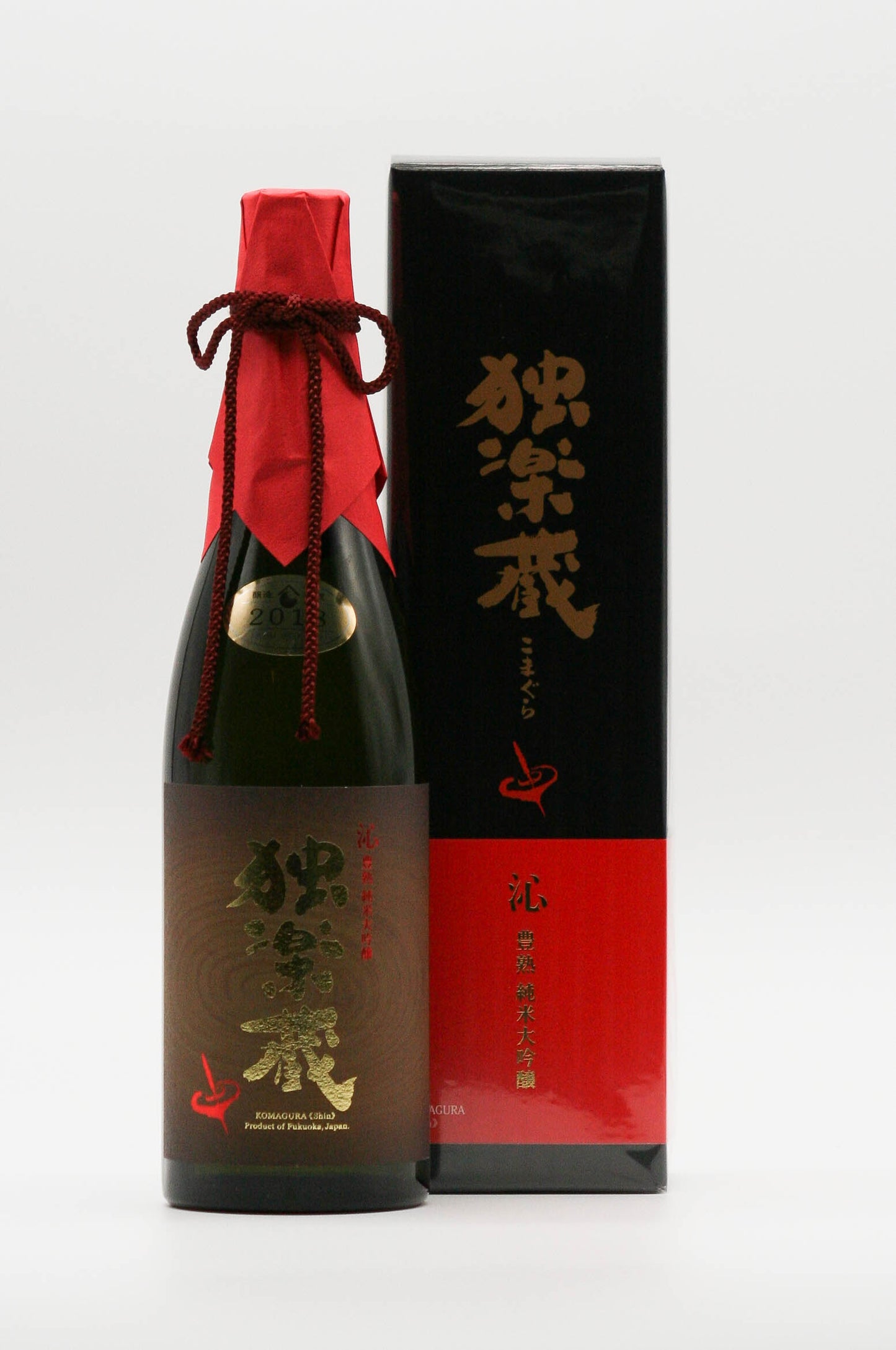
A perfect balance of fruity aroma and mellow richness from aging. It's an excellent sake to enjoy with meals.
Komagura Shin Hojuku Junmai Daiginjo
| Vintage | 2014 |
| Years aged | 12 years |
- 10 years or more
- 5,000 - 9,999 yen
- All Products
- As aperitif and/or with starters
- Light Yellow/Green
- room temperature stored
- Throughout the meal
- Brewer:Mori no Kura
- Alcohol:16 degrees
- Volume:720ml
Couldn't load pickup availability
[ Drinking alcohol under the age of 20 is prohibited by law. ]
Chill it slightly and serve as an aperitif, or warm it gently and pair it with a variety of main dishes. This sake enhances its appeal when combined with food.
Warming it mellows its aroma and brings out its umami flavor. The moderate astringency also tightens the taste of the dishes.
It's a "deeply satisfying" sake that you can slowly continue to drink warm.
- about
-
Type Junmai Daiginjo Rice polishing ratio 40% Yeast type - Ingredients/raw materials Rice/rice malt Rice type Yamada Nishiki Origin of rice Fukuoka Prefecture Toji(Brew Master) Masanobu Suenaga Assemblage -
- Recommended occasions/temperature
-
- How to store
-
- Delivery dates and charges
-

Tasting comments
-
Hidekazu Ishiwatari
(Former Chief Appraiser, National Tax Agency)(Chilled)
The aroma is of ripe ethyl caproate (apple-like). The palate offers a fruity flavor.
Smooth sweetness and acidity are in harmony, creating a full-bodied sensation. The finish has an aged aroma reminiscent of caramel.
Its best feature is the impactful ripened fruitiness.
(Warm)
A bright ginjo aroma. An elegant flavor on the palate.
At lukewarm temperature, the ginjo aroma becomes mellow.
A light sweetness, subtle lactic notes, and an umami-rich finish.
Its best feature is the mellow ginjo aroma. -
Akiko Toda
(Director, Sake & Meat Laboratory ITTEKI)(Chilled)
It has an aroma like ripe melon, with a rich balance of sweetness and acidity. The texture is smoothly melt-in-your-mouth. The pleasant finish lingers for a long time, making it a personal favorite. It's a delightful drink to have when you want just one more glass to round off the evening.
(Warm)
It glides down smoothly, with a natural sweetness and umami that permeates the palate. The ripe fruitiness that was strong on the attack when chilled integrates and becomes pleasant when warmed. I prefer it not too hot, but rather lukewarm. -
Yuji Yamauchi
(4th Generation Owner of Sushi Hatsu Yushima Tenjinshita / Winner of the 1st J.S.A. SAKE DIPLOMA Competition)(Chilled)
The aroma is characterized by the roundness and umami of rice, with an added hint of konbu dashi. There's also a touch of clam chowder.
The smooth texture and the layered aroma of rice umami are subtly expressed.
The gentle yet expansive aroma, coupled with the smooth and mellow yet discernible umami and sweetness of the rice, conveys a sense of "deliberateness shaped by time."
(Warmed)
The sweetness and umami of the rice are preserved without loss, resulting in a truly penetrating flavor.
Thanks to the warmth, it glides down the throat even more smoothly, yet the deliciousness and sweetness of the rice linger on the palate.
This sake possesses a "lingering aftertaste." It’s best enjoyed at a moderate warmth, allowing it to permeate your entire being.
Brewer

Mori no Kura
Founded in 1898 to make sake lees shochu. Sake production began in 1905. In 1920, it moved to its current location in search of better water. In 1981, the company began full-scale efforts to produce Junmai sake, and at the same time began contract cultivation of local sake rice.
In 2005, the brewery became an entirely pure rice brewery.
There was a Junmai sake made in 1941 that had been stored at room temperature, which led him to work on aged sake.
``Komakura'', which was released in 1994, was made into an aged sake brand a few years later. Each product of Komagura has different quality of sake due to differences in raw material rice, manufacturing method, aging method, etc., but each product is designed with the premise that it can be enjoyed with modern food.